Latest from DocsOrb
Analysis and product updates for teams building better policy and AI governance systems.
EU AI Act 2026/1744 Digital Omnibus on AI 24 July 2026: Key changes and what leaders must do now
The EU AI Act has been amended, introducing stricter deadlines, new prohibited practices, and a more powerful AI Office. High-risk AI compliance now starts December 2027, with bans on non-consensual intimate material and child sexual abuse AI effective December 2026. Smaller players gain simplified requirements, but accountability remains unchanged. Leaders must act now—this is the window to build robust AI governance before enforcement begins.
DocsOrb and OpenAI partner to deploy AI safely with Guardrails expertise
DocsOrb’s new OpenAI partnership brings enterprise-grade AI safety to HR, compliance, and risk leaders. With direct access to OpenAI’s expertise and DocsOrb Guardrails, organizations can now deploy AI models confidently—balancing innovation with governance, policy enforcement, and real-time risk mitigation before regulators demand proof.

Mapping AI harms: a taxonomy for HR, compliance, and risk leaders
AI’s rapid adoption brings transformative potential—but also risks like bias, privacy violations, and environmental harm. For HR, compliance, and risk leaders, a structured harms taxonomy is essential to identify, assess, and mitigate these threats. From individual discrimination to societal erosion of trust, understanding AI’s impact across dimensions ensures governance keeps pace with innovation while safeguarding people and organizations.

How to secure and govern data in the age of AI-driven risks
Generative AI and agentic workspaces are accelerating data risks—shadow tools, unvetted copilots, and AI agents now routinely handle sensitive information. Without proactive governance, organizations face $4.5M+ breach costs, regulatory penalties, and operational chaos. Discover how to secure AI applications, enforce policies, and prevent data loss before it triggers a crisis.

A step-by-step guide to achieving ISO 42001 certification for AI governance
Achieving ISO 42001 certification is the gold standard for AI governance, but the path isn’t intuitive. This step-by-step guide breaks down the exact process—from scoping your AI systems to passing the final audit—so HR, compliance, and risk leaders can build a framework that meets global standards, avoids fines, and earns stakeholder trust before regulators demand proof.

ISO 27001 and AI Governance: The Critical overlaps every Compliance Leader must address before 2026
As AI reshapes HR, compliance, and risk management, ISO 27001’s information security framework is emerging as a critical foundation for AI governance. With the EU AI Act and global regulations taking effect in 2026, leaders must address the overlaps between ISO 27001’s controls and AI-specific risks—data integrity, access management, and auditability—to avoid fines, breaches, and operational disruptions. This article explores the exact intersections where ISO 27001’s principles can strengthen AI
More stories
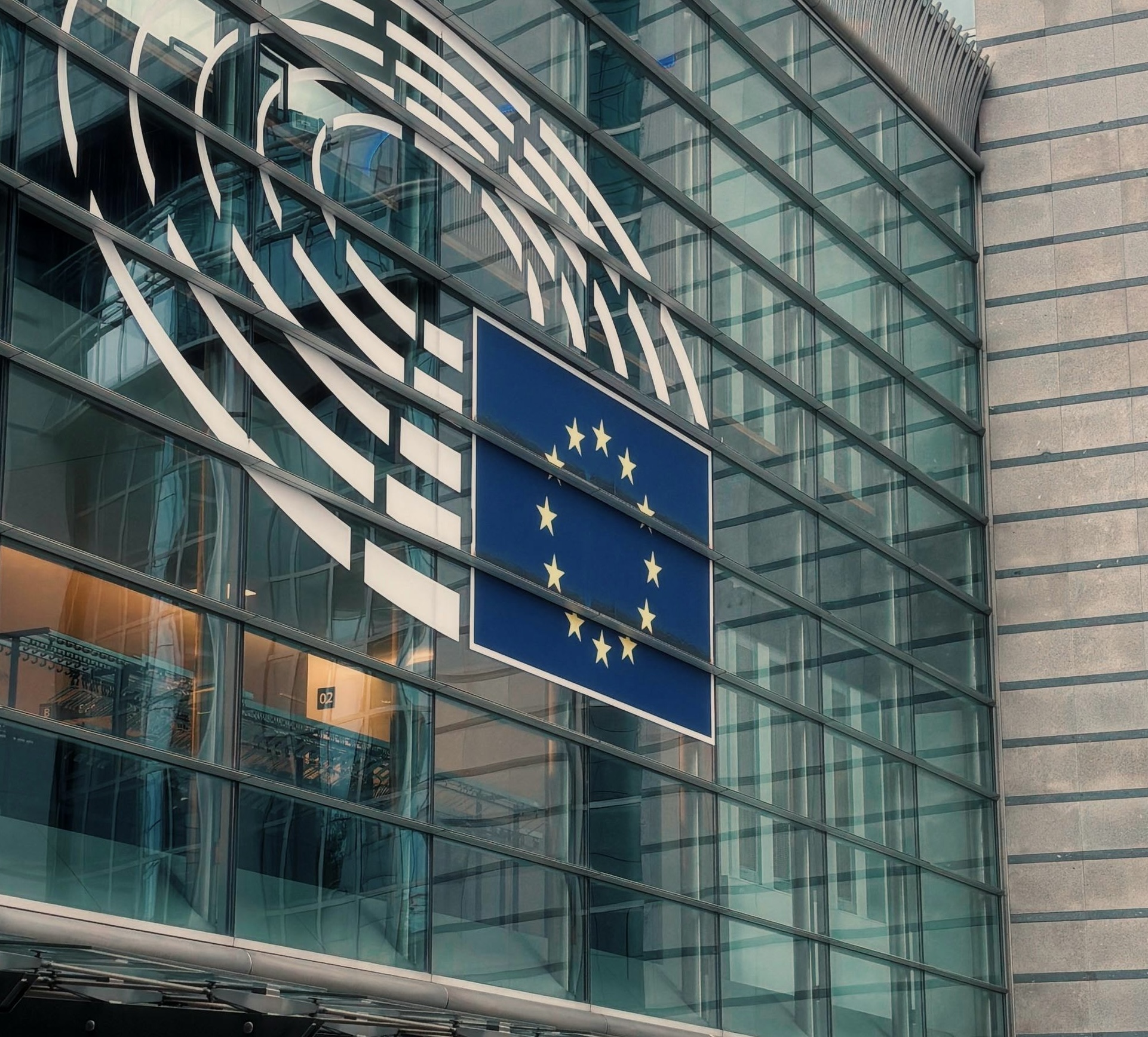
The EU AI Act Deadline is August 2026: What HR, Compliance, and Risk Leaders Must Do Now to Avoid Fines and Liability

Who’s Accountable when AI flags an Employee? The collapse of Contextual Integrity in Workplace Governance

The AI Compliance time bomb: What happens when regulators find your gaps before you do

Your AI Employees are here, are you Governing them yet?

AI Governance 101: A Step-by-Step Guide to Avoiding Compliance Nightmares

Continuous AI Governance: Why static Policies can't keep up and are not enough

Shadow AI risks exploding in 2026: How HR and Security Leaders can use Policy Management to cut breach costs

The future of employee handbooks: from PDF documents to policy platforms

Navigating AI Regulations in HR Policy Management for 2026
Archive
We value your privacy
We use cookies to keep DocsOrb secure, understand how the site is used, and improve your experience. You can accept all, reject optional cookies, or manage your preferences. Read our Privacy Policy